
Geely to deploy 100K AI-powered driverless taxis by 2030
Geely to deploy 100K AI-powered driverless taxis by 2030
Also supported by Geely's 64 low-orbit satellites (and counting)

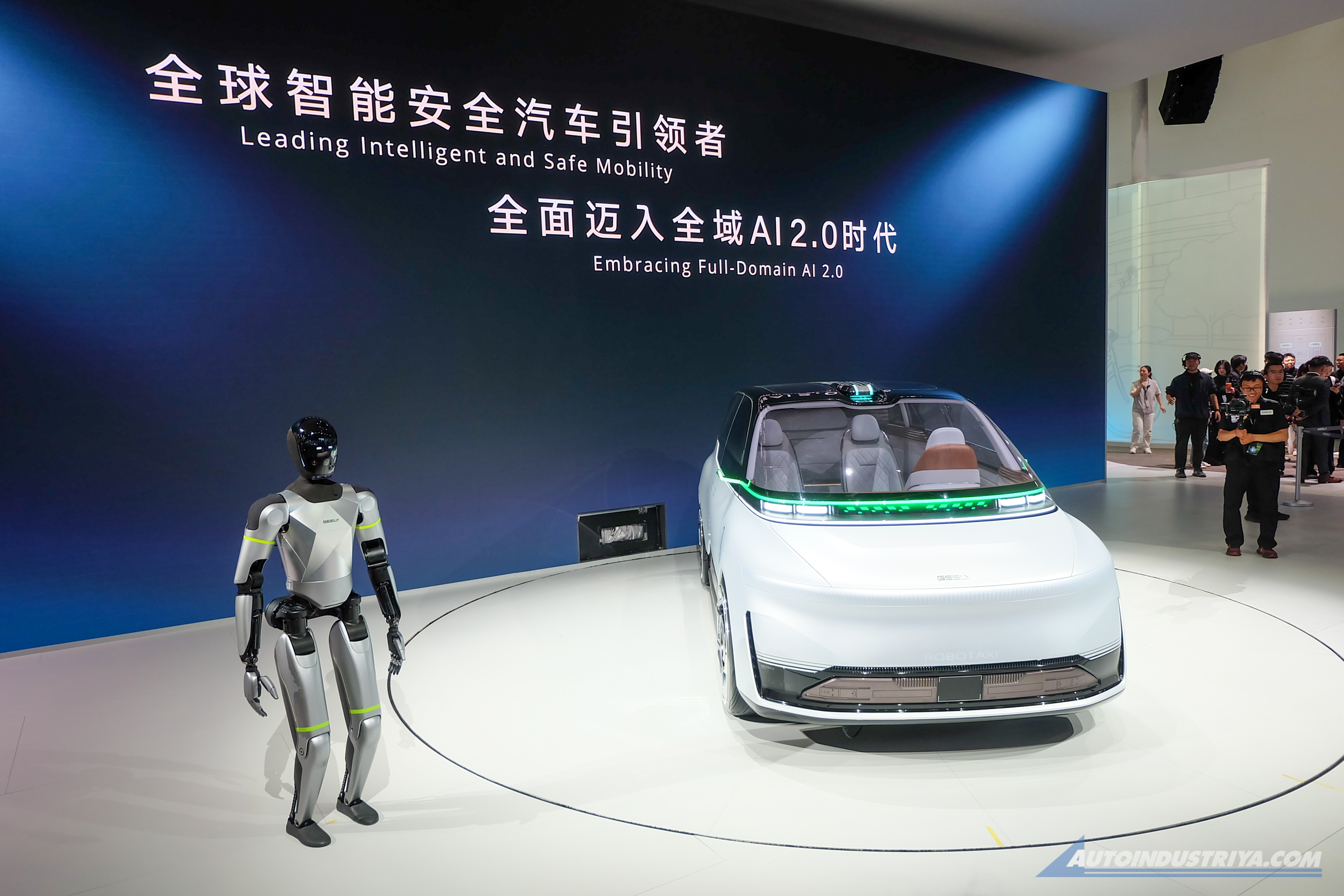
Artificial Intelligence (AI) was once the stuff of fiction, often seen in films where machines could think and process information on their own. At this year’s Beijing International Automotive Exhibition (Beijing Auto Show), Geely Auto Group demonstrated how that vision is rapidly becoming reality, showcasing its full technology ecosystem with AI at its core, and it is no doubt, the future of mobility.
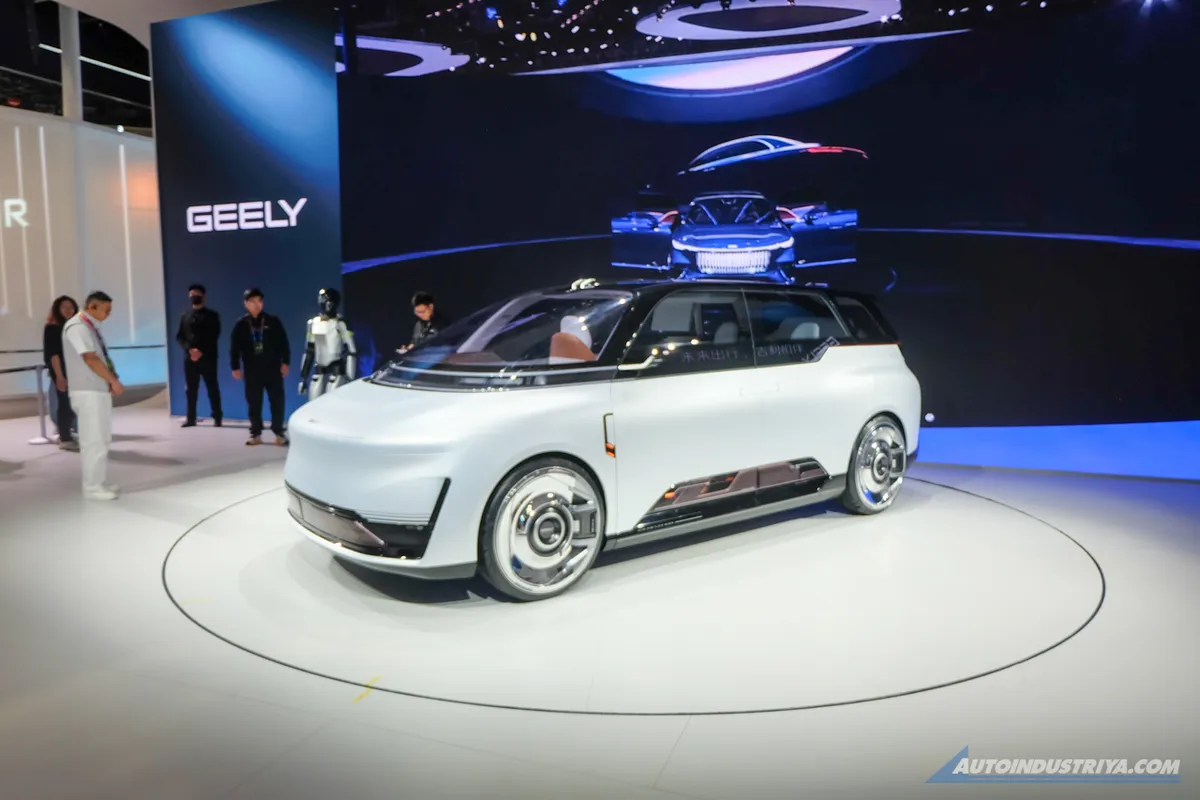
Driverless taxis
Imagine booking a ride to your destination, only to be picked up by a driverless robotaxi. These vehicles rely on advanced systems to carry passengers from point to point without a human driver. For Geely Auto Group, the concept is already taking shape, as it presented its EVA Cab Robotaxi prototype to the public, marking a significant step toward driverless mobility.
How does it work? The system combines AI, advanced safety technologies, and data support from Geely’s network of 64 low-orbit satellites, allowing the vehicle to navigate and respond to real-world conditions in real time.
According to Geely, the EVA Cab brings together a range of advanced technologies designed to think, see, and protect itself while on the road. Its system architecture acts as the vehicle’s brain, keeping everything connected and secure, whether it is unlocking the car, updating software, or protecting user data.
To handle driverless operation, the EVA Cab is equipped with powerful processors from NVIDIA and Qualcomm, allowing it to process huge amounts of data every second. Its sensors, including a high-resolution LiDAR system, let the vehicle “see” its surroundings in ultra-high detail up to 600 meters. Combined with its Level 4 autonomous driving software, the EVA Cab can operate on public roads without a human driver, bringing the idea of fully driverless transport closer to everyday use.
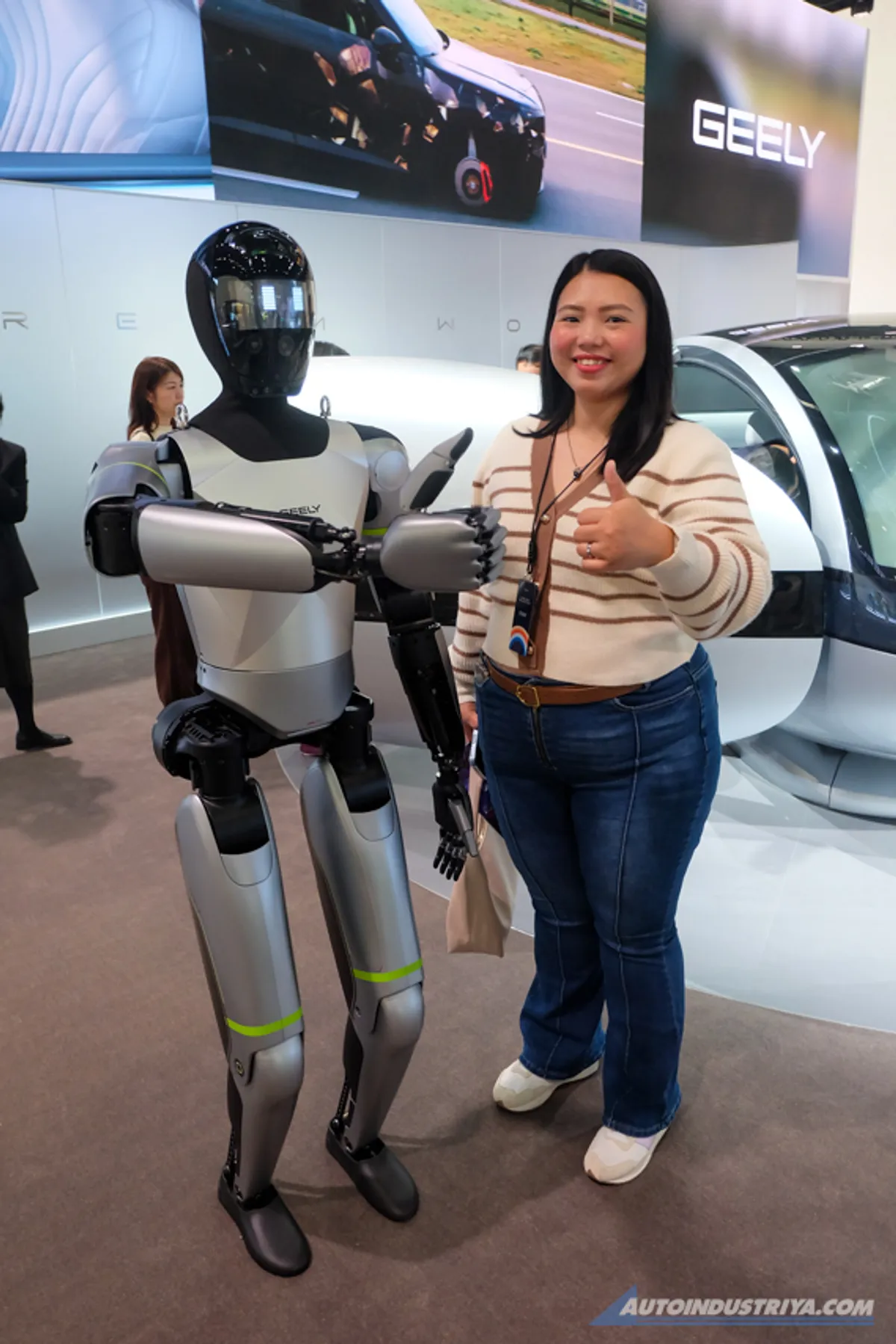
When asked about rollout plans, the company’s own AI-powered robot assistant, also named “Eva,” said that Geely Auto Group is targeting the launch of customized EVA Cabs in 2027, in partnership with CaoCao Mobility, with a broader goal of deploying up to 100,000 units worldwide by 2030. We really hope that this kind of technology will eventually find its way into the Philippine market.
Related Posts

Suzuki may surpass Honda as 2nd biggest Japanese automaker this year
Suzuki’s projected sales growth is expected to push the brand ahead of Honda in global vehicle sales this fiscal year, 2026 to 2027.
2026 Honda City major facelift makes global debut
Honda City gets new face, updated interior features, carried over powertrain
RAM launches Hemi-powered Rumble Bee muscle trucks with up to 777 HP
The Rumble Bee is available in three distinct variants, complete with three HEMI engine choices
Big Shift: Toyota considering Chinese-sourced bZ3X for SE Asia?
Could Toyota leverage its Chinese partnership and introduce the bZ3X BEV crossover for Southeast Asia?
Ford PH to launch new Everest base variant?
LTO publishes homologation papers of Everest Active variant
All-new MG4 EV gets DOE recognition; reveal at PIMS 2026?
Once revealed, all-new MG4 EV could be offered in just one variant with up to 325 km of range