
‘Ghost drivers’ prompts DOTr order to stop onboarding of new TNVS drivers
‘Ghost drivers’ prompts DOTr order to stop onboarding of new TNVS drivers
The math is not mathing

Ride-hailing has changed how Filipinos get around. With a few taps on a smartphone, commuters can book a ride and get picked up right where they are, thanks to transport network companies (TNCs), as well as Motorcycle Taxi Platform Providers (MTPPs) and their partner drivers and riders.
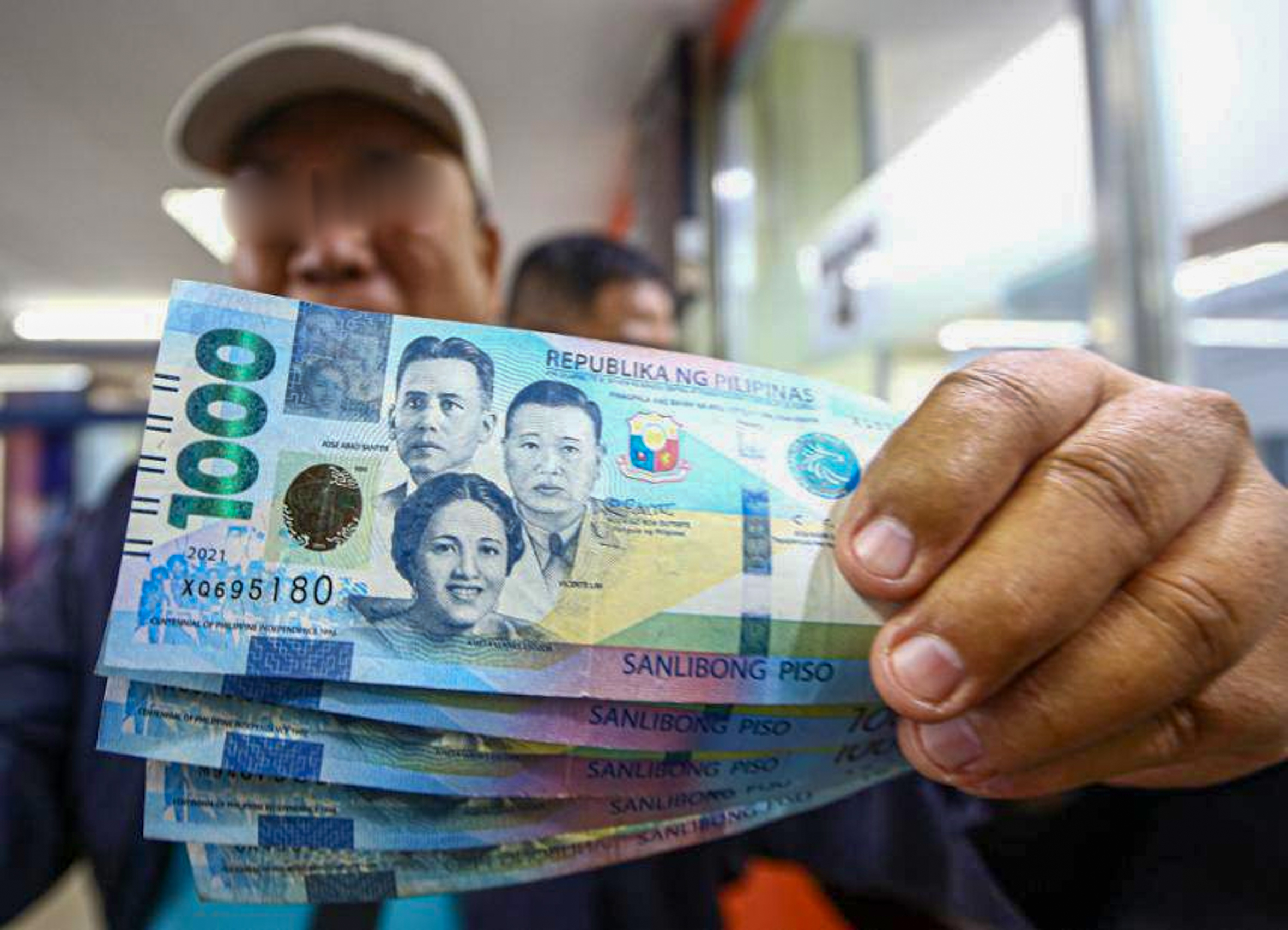
The system helped curb practices like the old kontrata scheme and opened up a new income stream for many. But as applications surged and the fuel crisis hit, the government rolled out cash assistance, a.k.a. ayuda, to the transport sector, including Transport Network Vehicle Service (TNVS) drivers and Motorcycle Taxi riders.
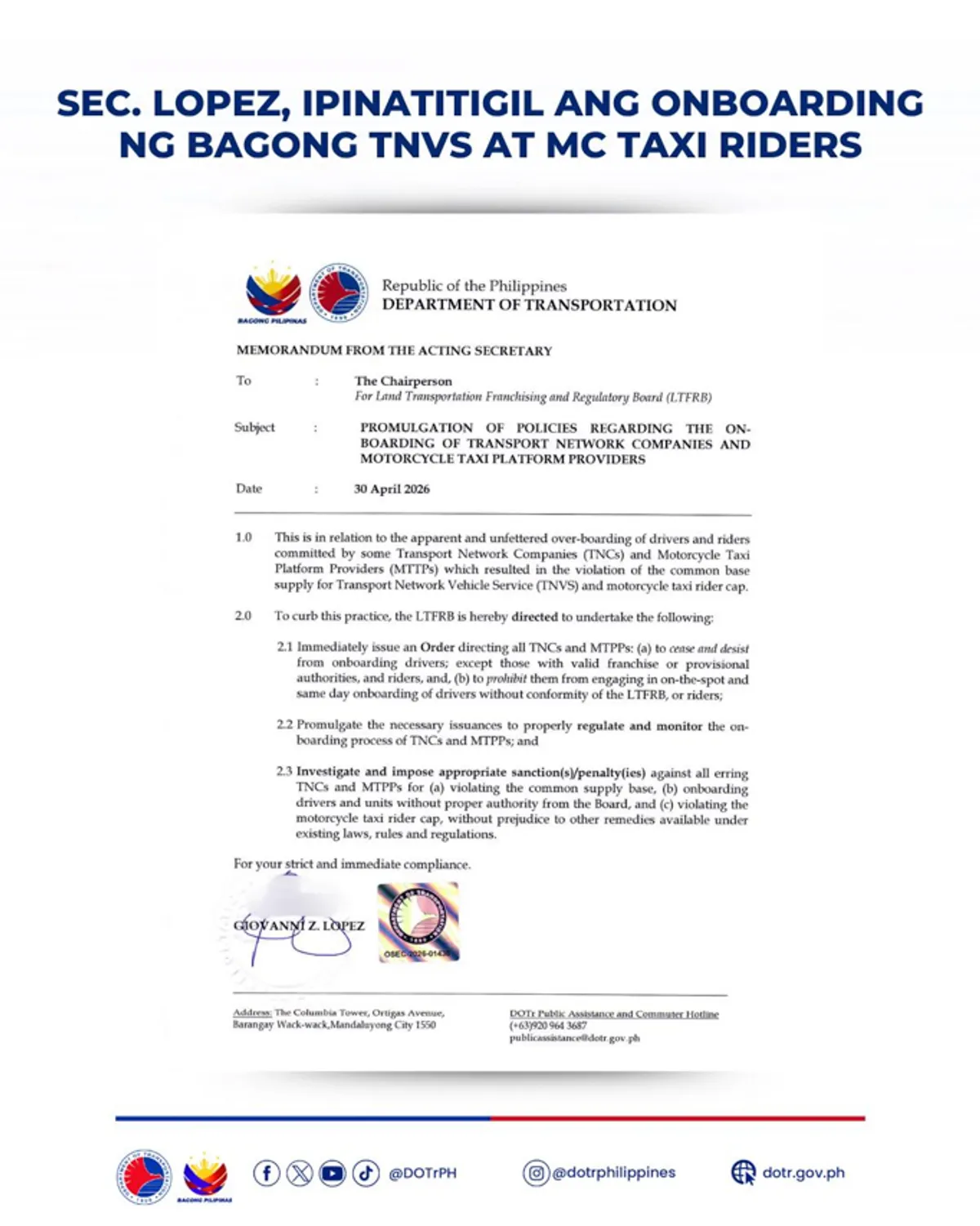
Photo by DOTr
That relief program exposed a big issue: TNCs and MTPPs appear to have exceeded the allowed number of drivers and riders under existing regulations.
The Department of Transportation (DOTr) has directed the Land Transportation Franchising and Regulatory Board (LTFRB) to halt the onboarding of new drivers and motorcycle taxi riders.
In a memo, the DOTr cited “apparent and unfettered over-boarding” by some TNCs and MTPPs, saying it has led to violations of the set supply cap for Transport Network Vehicle Service (TNVS) units and motorcycle taxi riders.
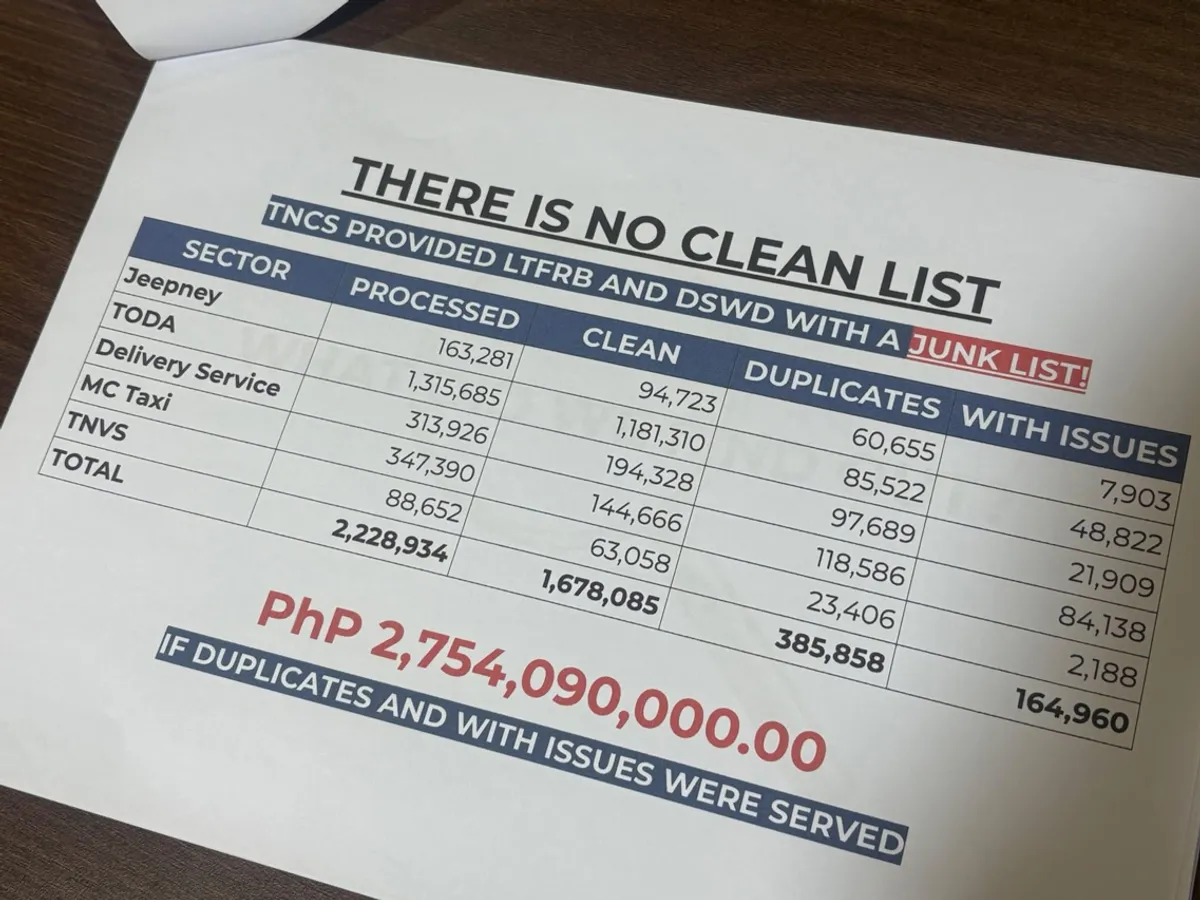
Data shown by DSWD | Photo courtesy of Motorcycle Rights Organization
Sanctions vs erring TNCs, MTPPs
What began as a simple cash aid program has uncovered deeper issues in the ride-hailing sector. The President earlier ordered the DOTr to investigate alleged abuses by some TNCs and MTPPs for exceeding the allowed number of drivers and riders, which has led to the emergence of so-called “tempo drivers.”
Data from the Department of Social Welfare and Development (DSWD), which led the distribution of aid, showed that some TNCs and MTPPs went beyond their caps by as many as 100,000 drivers or riders. In other words, this could have resulted in more than PHP 2.7 billion in payouts to what the industry refers to as “ghost” drivers or riders.
The LTFRB has been directed to investigate and impose sanctions on erring TNCs and MTPPs for violating supply caps, onboarding drivers without proper authority, and breaching the motorcycle taxi rider limit, without prejudice to other penalties under existing laws and regulations.
Related Posts

Suzuki may surpass Honda as 2nd biggest Japanese automaker this year
Suzuki’s projected sales growth is expected to push the brand ahead of Honda in global vehicle sales this fiscal year, 2026 to 2027.

2026 Honda City major facelift makes global debut
Honda City gets new face, updated interior features, carried over powertrain

RAM launches Hemi-powered Rumble Bee muscle trucks with up to 777 HP
The Rumble Bee is available in three distinct variants, complete with three HEMI engine choices

Big Shift: Toyota considering Chinese-sourced bZ3X for SE Asia?
Could Toyota leverage its Chinese partnership and introduce the bZ3X BEV crossover for Southeast Asia?

Ford PH to launch new Everest base variant?
LTO publishes homologation papers of Everest Active variant

All-new MG4 EV gets DOE recognition; reveal at PIMS 2026?
Once revealed, all-new MG4 EV could be offered in just one variant with up to 325 km of range